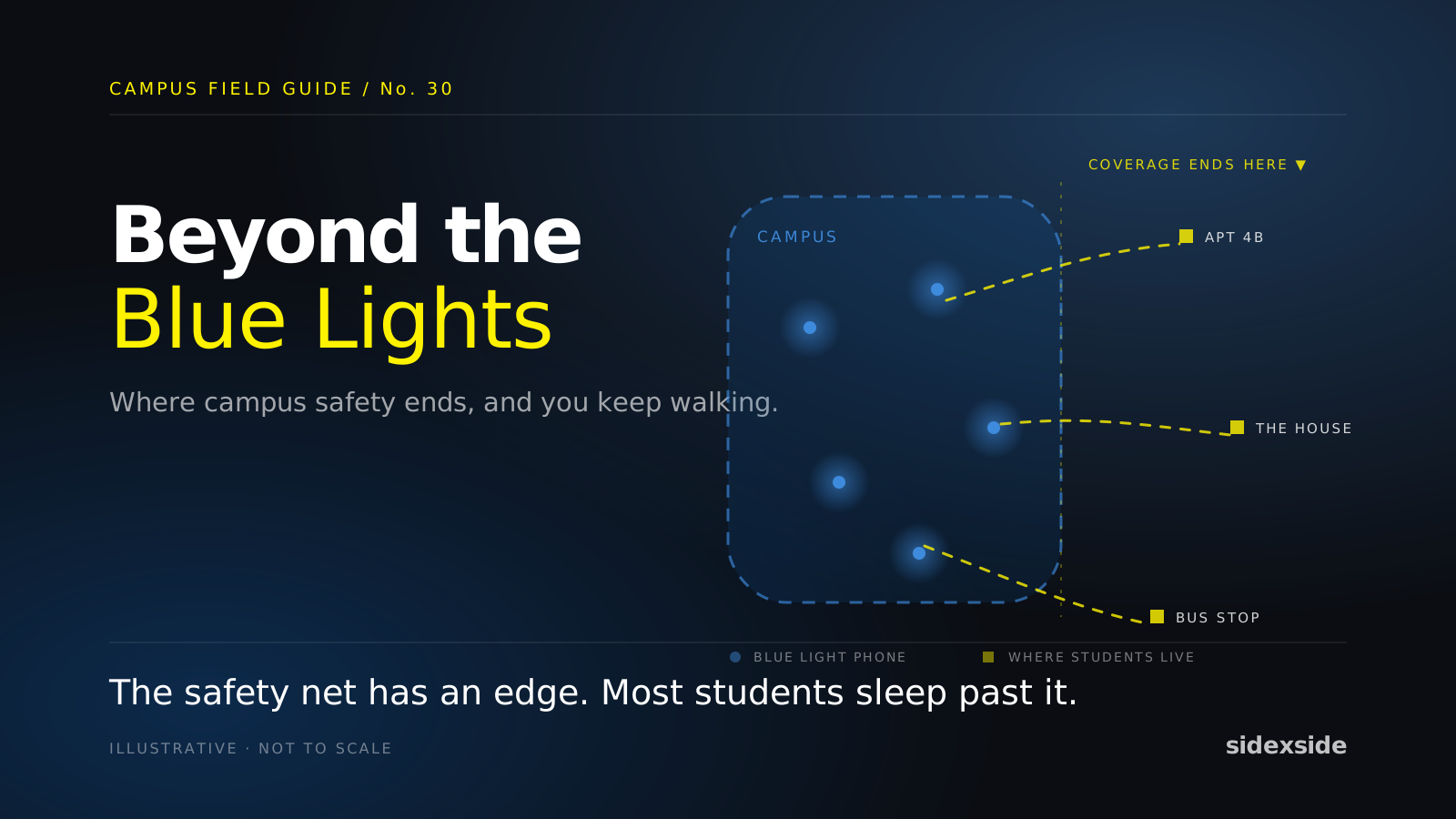
Long-form notes on the apps, habits, and tools that actually keep women, college students, and late-night commuters safer — written by the people building sidexside, with the bias toward what works in the real-world unsafe window.
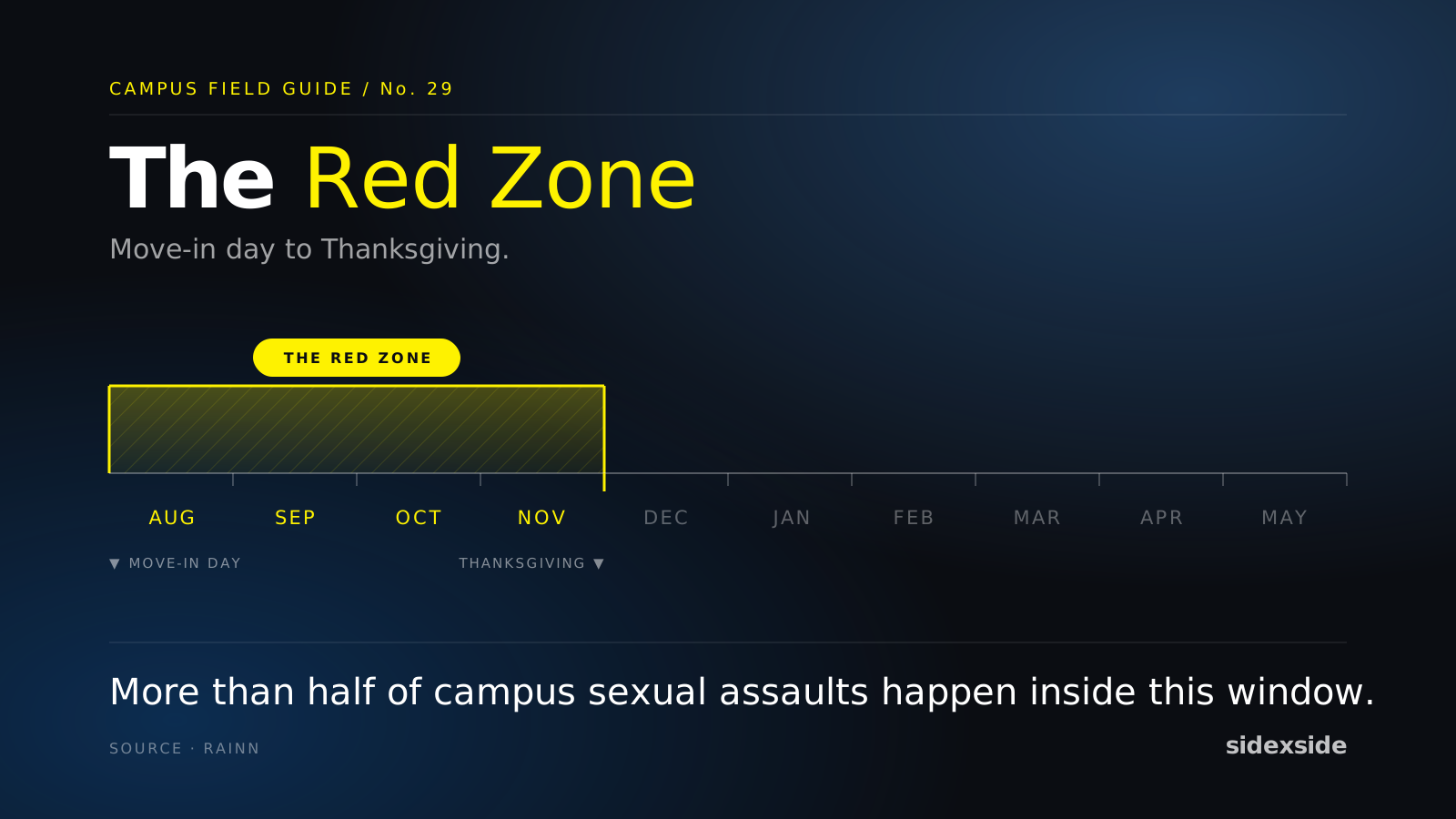
More than half of campus sexual assaults happen between move-in day and Thanksgiving. Here is why that window exists, and what actually helps.
Read the guide
Healthcare workers face more workplace violence than almost any sector. Here is how hospitals and clinics can protect them.
Read the guide
Return-to-office resistance is partly a safety story. Here is how commute and after-hours safety became a retention lever.
Read the guide
Carriers price and pay based on demonstrable safeguards. Here is what an insurer-ready employee safety program actually includes.
Read the guide
Many women feel unsafe at work but never formally report it. Here is how employers can offer real protection, not just a policy.
Read the guide
Business travelers and remote workers operate beyond your building's safety net. Here is how to extend duty of care wherever they go.
Read the guide
A vendor renewal is the best time to question your employee safety solution. Here is what to evaluate before you auto-sign for another year.
Read the guide
Night-shift staff in healthcare, retail, and logistics work with the least backup and the most risk. Here is how to protect them.
Read the guide
Most workplace violence prevention lives in a binder no one opens. Here is how to turn policy into behavior employees actually use.
Read the guide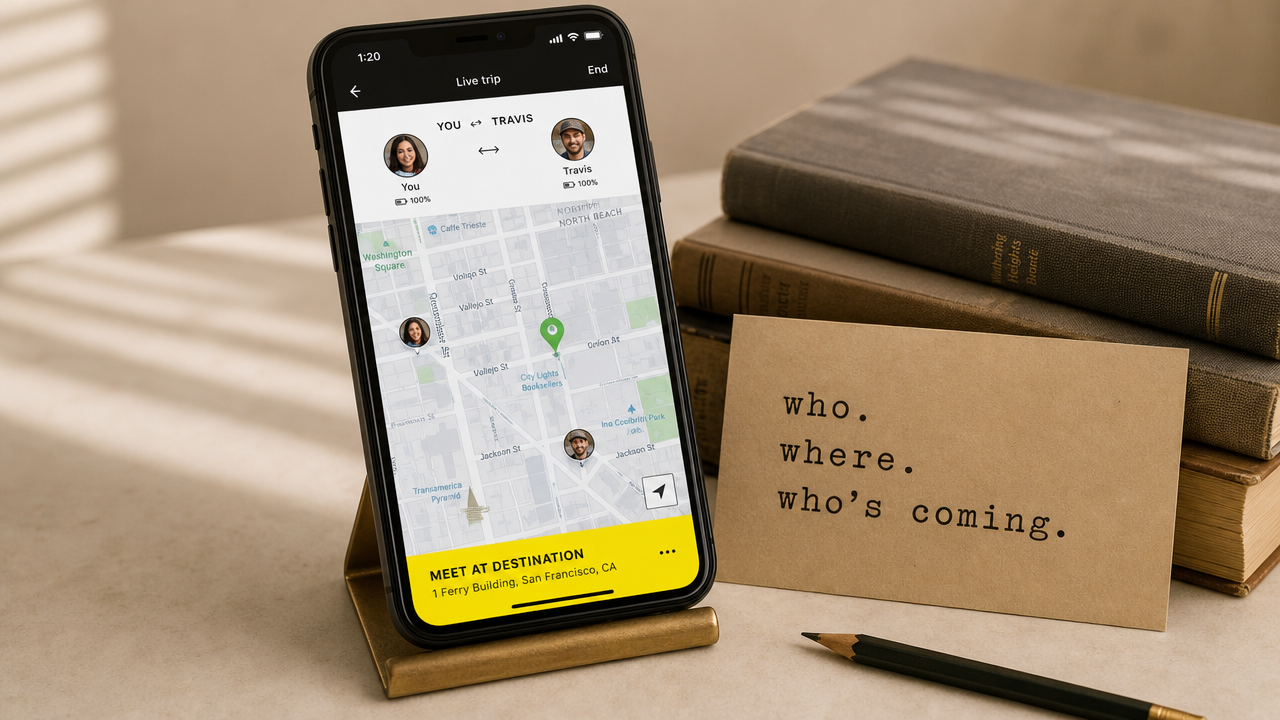
Panic buttons only help after a situation has already escalated. Here is why reactive hardware falls short, and what prevention-first employee safety looks like.
Read the guide
Parking lots and garages are where many workplace incidents happen. Here is why, and how employers can protect staff in the walk from desk to car.
Read the guide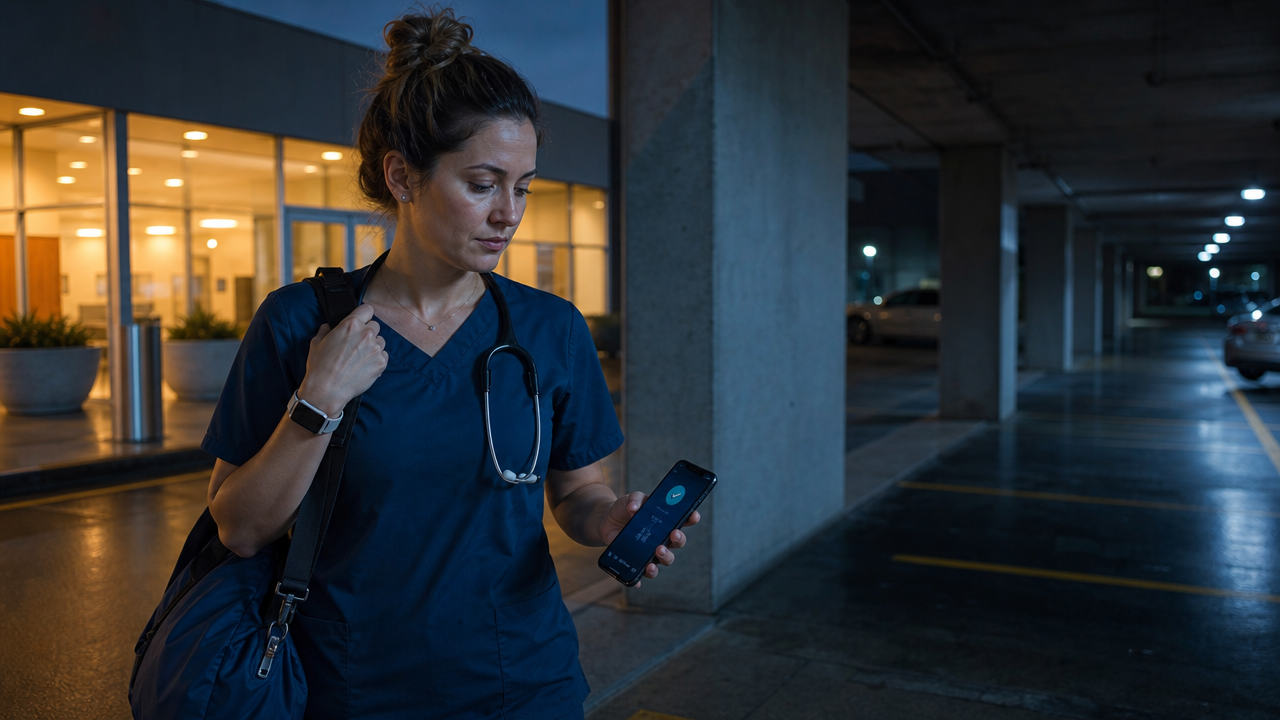
A practical guide for HR, safety, and risk leaders on choosing a lone worker safety app. Compare check-ins, SOS, location, verification, and duty-of-care fit.
Read the guide
What separates a real student community app from a generic social platform in 2026 — trust, verification, and the architecture that makes campus communities work.
Read the guide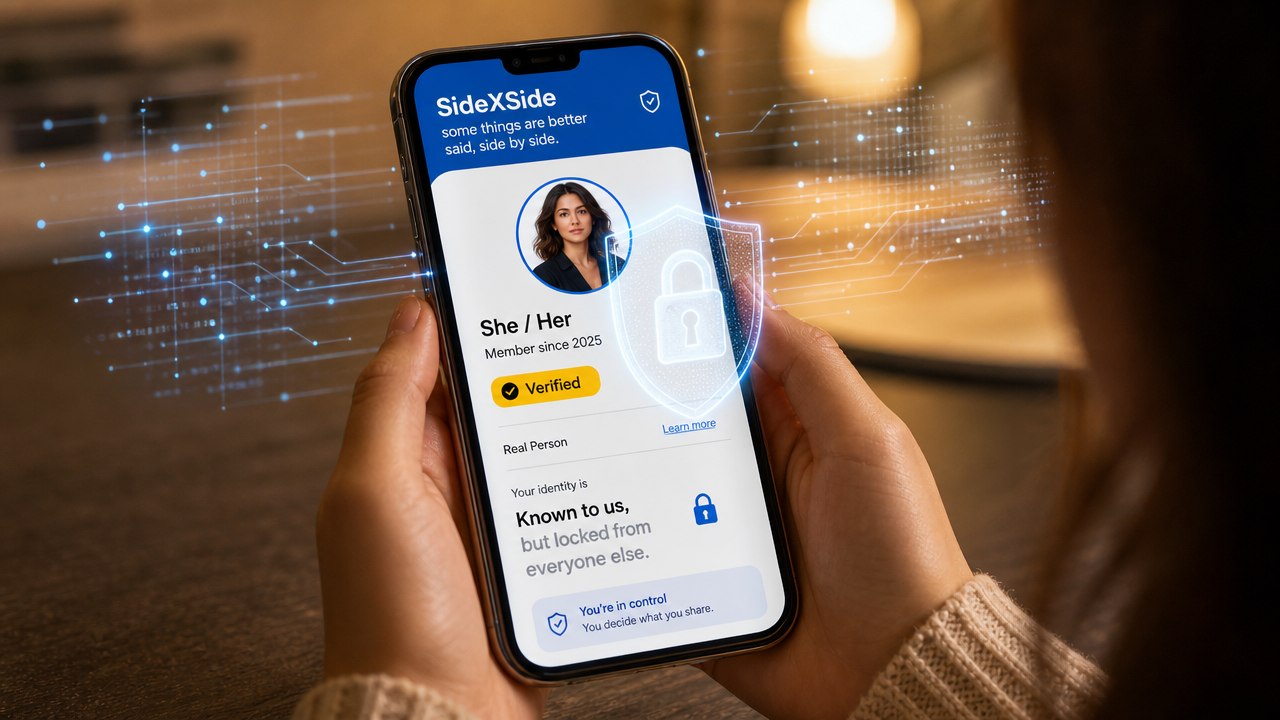
Anonymous safety apps sound private. Are they actually safer? A 2026 breakdown of the trade-offs and what privacy-first verified apps do differently.
Read the guide
A clear-eyed look at GPS safety apps in 2026. What GPS adds to safety, the privacy risks of always-on location, and what privacy-first design looks like.
Read the guide
Trip sharing apps are everywhere. Are they actually reliable for personal safety? Here's how the current options work, and what's missing.
Read the guide
Student networking apps are everywhere in 2026. Most aren't built around safety. Here's where the gap is, and what to look for in a verified campus app.
Read the guide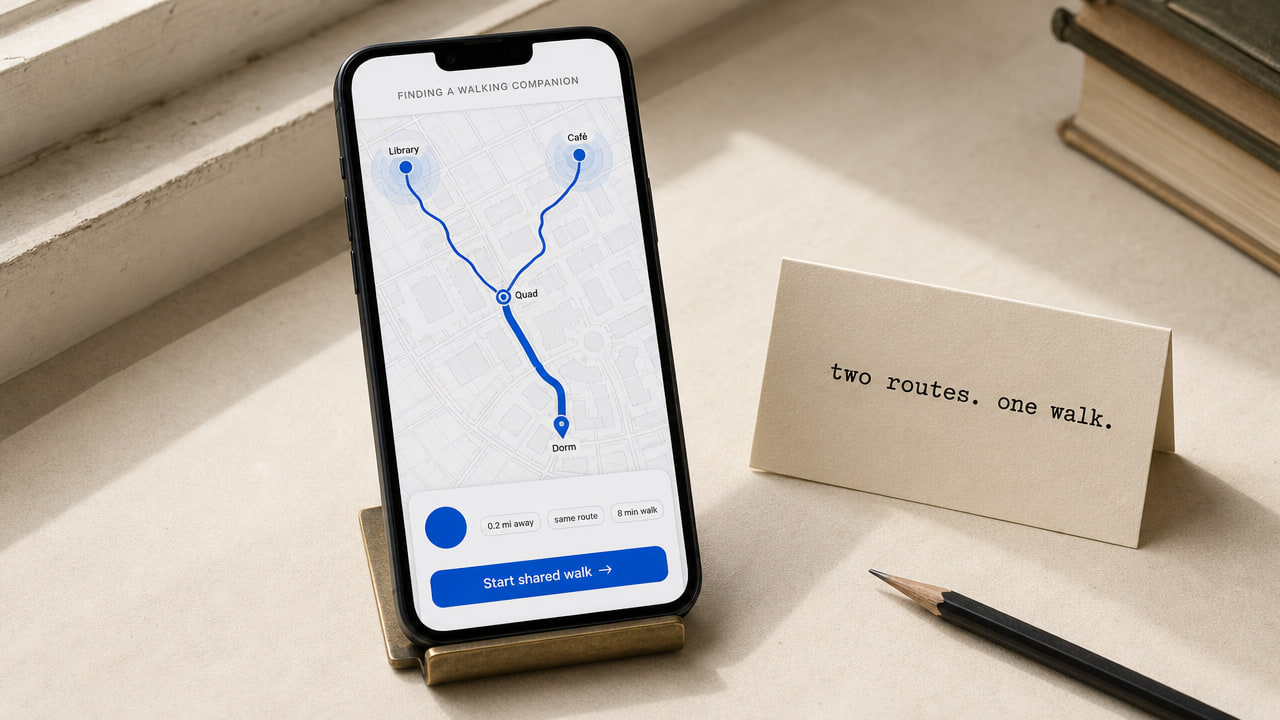
AI matching is rewriting personal safety apps in 2026. Here's how route-based matching works, what AI can and can't do, and what to look for.
Read the guide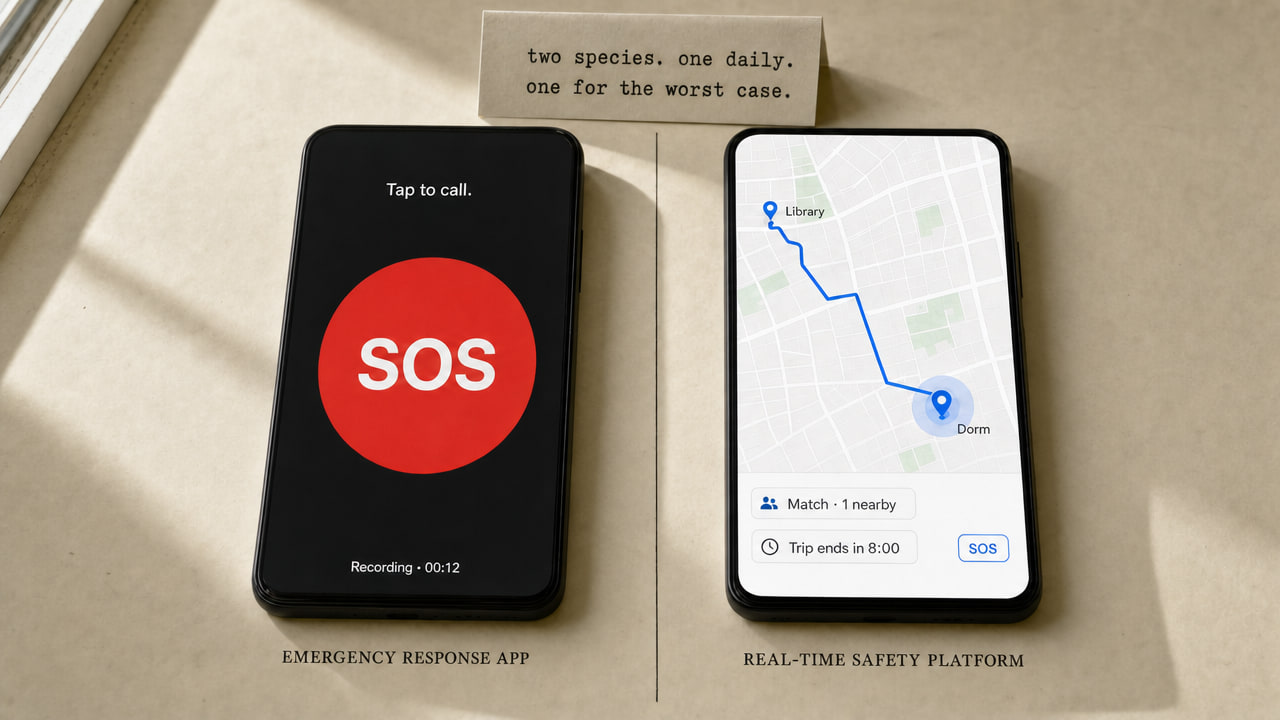
A 2026 breakdown of emergency response apps vs real-time safety platforms. What each is built for, where they overlap, and which one you actually need.
Read the guide
A deep dive into student identity verification in 2026. Why .edu email plus photo ID is the standard, and what platforms get wrong about anonymity.
Read the guide
Why community-based safety apps are replacing top-down panic buttons in 2026, and what verified peer-to-peer safety actually looks like in practice.
Read the guide
A procurement and evaluation guide for campus safety software in 2026 — what features matter, where most platforms fall short, and what students actually use.
Read the guide
What a real safe walking app should do in 2026, why "share my location" isn't enough, and how walk-together features are changing late-night safety.
Read the guide
How campus safety apps are evolving in 2026, what universities are adopting, and the gap between institutional tools and what students actually use.
Read the guide
Most panic button apps are reactive by design. Here's what they actually do, where they fall short, and what real proactive safety looks like in 2026.
Read the guide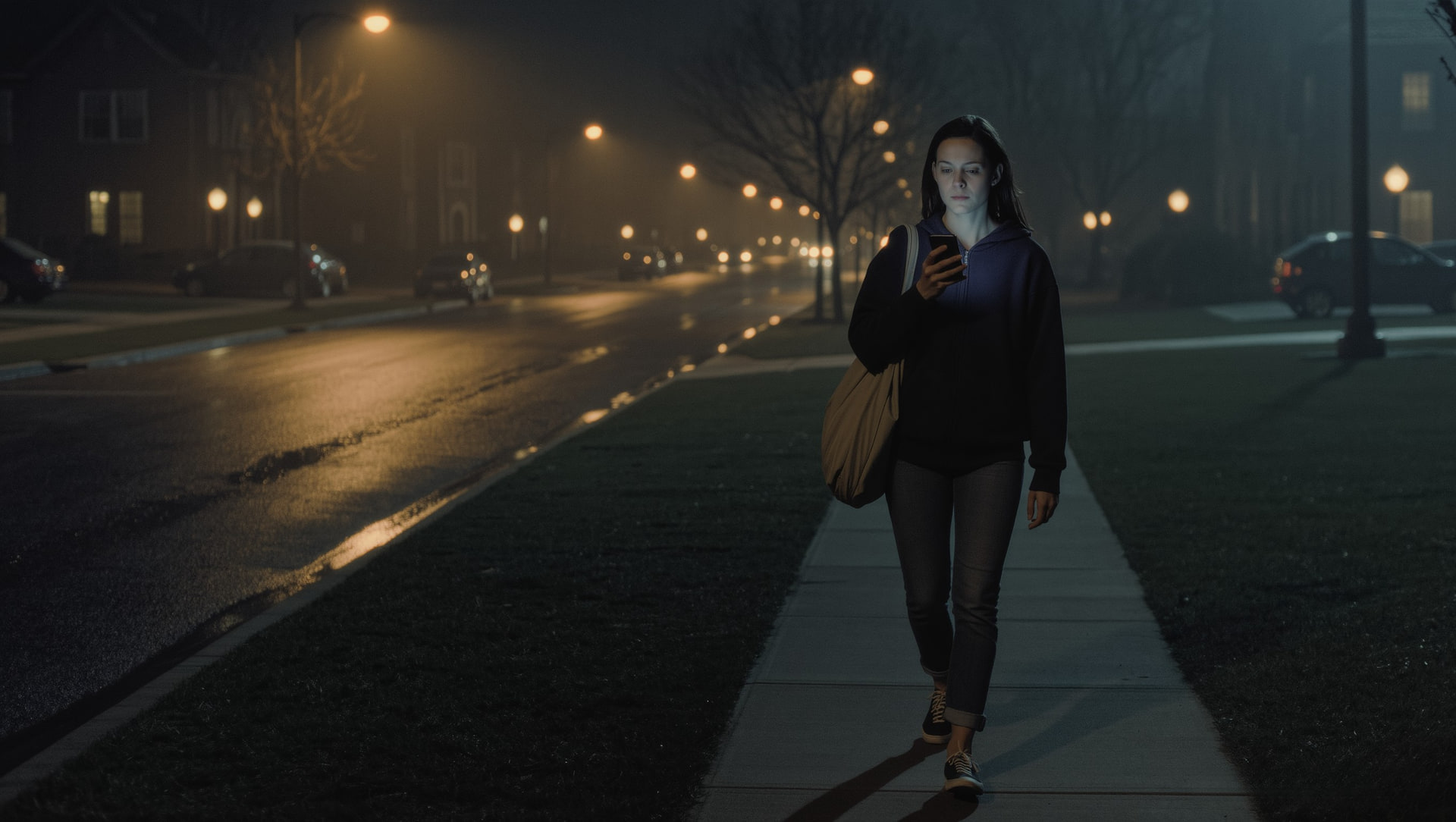
How emergency alert apps work in 2026, when they help, when they don't, and what to look for if you're a college student or late-night commuter.
Read the guide
Comparing personal safety apps in 2026? Here's what actually works for women and college students — and where most apps fall short of real safety.
Read the guideWe're publishing one carefully reported guide at a time — on walking companion tools, late-night commute kits, women's safety apps, and what real proactive safety looks like in 2026. Check back soon, or download sidexside if you need a walking companion today.
New field notes are published here first. Just the useful ones.
Download